


- All have
- Product management
- News
- Introduction led
- Corporate store
- FAQ
- Enterprise Video
- Enterprise map
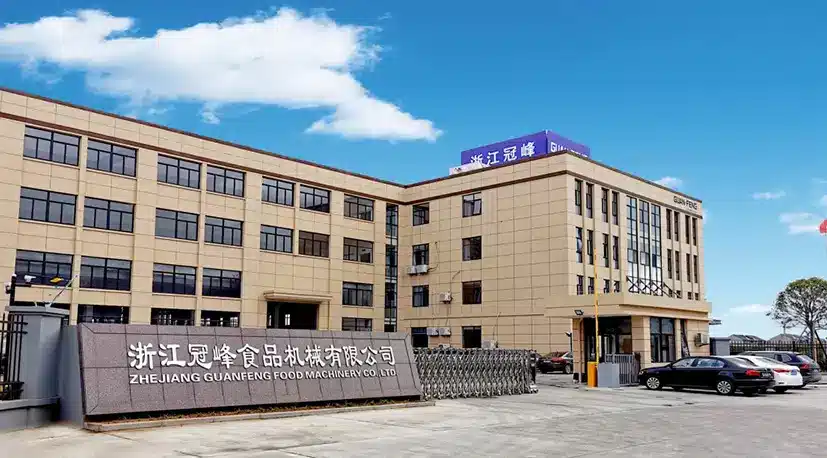
GUANFENG FOOD MACHINERY
main products include freeze-drying, drying, quick freezing, deep frying, pre-treatment, liquid nitrogen freezing, sterilization, cold chain storage and other food machinery equipment
Products Category
Contact Us
E-mail:
sales@syguanfeng.com
Tel:
+86 15088506234
Address:
South Industrial Park of Dongguan, Shangyu District, Shaoxing City,Zhejiang Province,China.
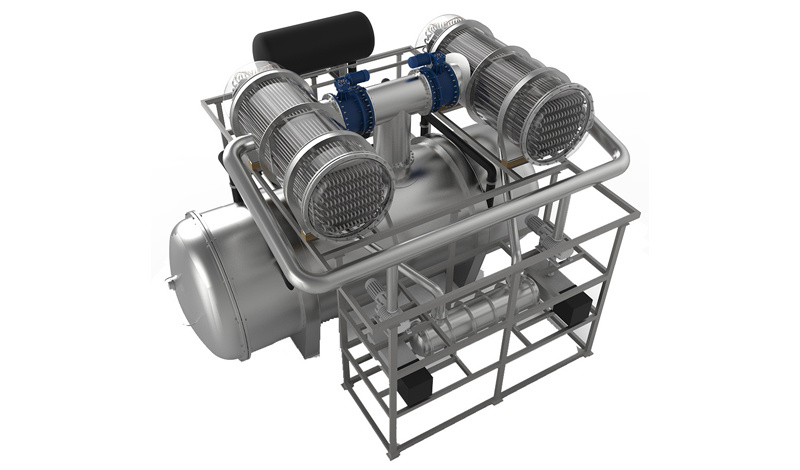
vacuum freeze-drying of dried oranges
Product Category:
Orange drying vacuum freeze-drying process route: Fresh orange cleaning → Peel and seed removal → Cut into 3-5mm thin slices → Soak in citric acid/vitamin C for a short time → Drain and pack in a tray → Freeze at around -35 ℃ → Sublimation drying at 10-50Pa → Analysis drying at 30-50 ℃ → Moisture content ≤ 3% -5% → Low humidity sorting → Nitrogen sealed aluminum foil bag.
Orange drying vacuum freeze-drying process route: Fresh orange cleaning → Peel and seed removal → Cut into 3-5mm thin slices → Soak in citric acid/vitamin C for a short time → Drain and pack in a tray → Freeze at around -35 ℃ → Sublimation drying at 10-50Pa → Analysis drying at 30-50 ℃ → Moisture content ≤ 3% -5% → Low humidity sorting → Nitrogen sealed aluminum foil bag.
- Product Detail
- Product advantages
- 产品概要表格
-
- Commodity name: vacuum freeze-drying of dried oranges
The production process of vacuum freeze-drying (FD) for dried oranges is generally organized according to pre-treatment → pre freezing → sublimation drying → analytical drying → discharge packaging. Orange slices are suitable for freeze-drying, mainly through low-temperature vacuum dehydration, which can better preserve the orange aroma, color, and vitamin C. The finished product is loose, crisp, and fast to rehydrate.
Overview of vacuum freeze-drying of dried oranges:
The production process of vacuum freeze-drying (FD) for dried oranges is generally organized according to pre-treatment → pre freezing → sublimation drying → analytical drying → discharge packaging. Orange slices are suitable for freeze-drying, mainly through low-temperature vacuum dehydration, which can better preserve the orange aroma, color, and vitamin C. The finished product is loose, crisp, and fast to rehydrate.
Production process of vacuum freeze-drying for dried oranges:
GFD-5
GFD-10
GFD-25
GFD-50
GFD-100
GFD-125
Drying Area(㎡)
5
10
25
50
100
125
Average Dehydration(kg/h)
5
10
25
50
100
125
Number of Tray(pcs)
12
24
72
144
288
360
Size of Tray
780*540*30
540*645*30
Size of tank(m)
1.0*3.4
1.5*3.2
1.88*4.2
2.0*8.16
2.4*10.2
2.4*12
Operation Vacuum(Pa)
13.3~133Pa
Heating plate Temp.(℃)
Normal temperature ~ +120℃
Electric Heating(kw)
12
21
50
/
/
/
Steam Consumption(kg/h)
/
/
/
150
300
360
Cold Load Consumption(kw)
12
22
45
90
180
225
Installation Power(kw)
22
53
112
115
213
251
Key operational control points for each stage: 1 Raw material pre-treatment includes fruit selection, cleaning, peeling/seed removal, slicing, and draining to ensure consistent maturity and no rotting of oranges; The recommended slice thickness is 3-8mm, as even as possible to avoid uneven drying caused by thickness differences Soak oranges in color preserving/bitter reducing citric acid or vitamin C solution for a short period of time, and if necessary, perform sugar infiltration treatment. Oranges are prone to browning and bitterness, and can be soaked in 0.5% -1% citric acid/vitamin C solution for a short period of time; Sugar infiltration can lower the freezing point and improve taste, but it can alter sweetness and rehydration properties Pre freezing quickly to complete solidification, usually pre freezing to -30 ℃~-45 ℃, with the center temperature below the eutectic point of the material; Oranges have high sugar content, and insufficient freezing can easily lead to collapse and stickiness Under sublimation drying vacuum, ice is directly sublimated into water vapor. The chamber pressure is generally controlled at 10-50Pa, and the temperature of the partition slowly increases. The material temperature should be lower than the collapse temperature; At this stage, removing most of the free water takes up to 5 Further removal of bound water by analytical drying can raise the temperature of the partition to 30-50 ℃, maintain a low level of vacuum, and reduce the moisture content of the finished product to ≤ 3% -5%, ensuring brittleness and stability The sorting, weighing, and sealing of the discharge and packaging in a low humidity environment should ideally have a relative humidity of less than 20%; Using aluminum foil bags/aluminum plated composite film, vacuum or nitrogen sealed, and adding food grade desiccants if necessary
Difficulties in vacuum freeze-drying of dried oranges:
High sugar content, easy to collapse: Orange juice contains a lot of sugar and acid, and the sublimation stage heats up too quickly or the vacuum is unstable, causing the surface of the slice to melt, become sticky, and shrink. Bitterness and white flesh affect flavor: the thicker the white flesh, the more concentrated the bitterness after freeze-drying; If you want to make instant dried orange, it is recommended to thin the white flesh or do mild sugar permeation/color protection. Extremely fast moisture absorption: Freeze dried orange slices are porous and will soften after being exposed to air for a few minutes after discharge. The packaging process must be low humidity, fast, and sealed. Aroma retention relies on low temperature: freeze-drying has a lower temperature throughout the process, which can better preserve orange aroma and vitamin C than hot air drying, but excessive drying temperature can still cause aroma loss. -
Orange drying vacuum freeze-drying process route: Fresh orange cleaning → Peel and seed removal → Cut into 3-5mm thin slices → Soak in citric acid/vitamin C for a short time → Drain and pack in a tray → Freeze at around -35 ℃ → Sublimation drying at 10-50Pa → Analysis drying at 30-50 ℃ → Moisture content ≤ 3% -5% → Low humidity sorting → Nitrogen sealed aluminum foil bag.
GUANFENG FOOD MACHINERY
Product
Applications
GUANFENG FOOD MACHINERY
Product
Recommendation
vacuum freeze-drying of camel milk powder
vacuum freeze-drying of ginger powder
Raspberry Vacuum Freeze Drying
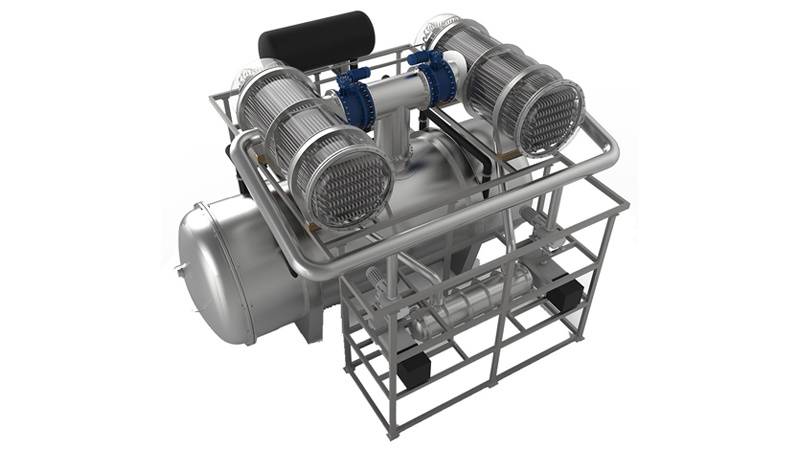
Strawberry Vacuum Freeze Drying Machine Equipment
Get
A Quote
Please leave your email address, our professionals will contact you as soon as possible!
GUANFENG, your customization experts!
GUANFENG FOOD MACHINERY - leading supplier of integrated food processing solutions



Copyright© 2024 ZHEJIANG GUANFENG FOOD MACHINERY CO.,LTD.